
Design Strategy for Cell Penetrating Peptides
Cell-penetrating peptides (CPPs) have the ability to penetrate biological membranes and drive cells to internalize a bioactive payload.
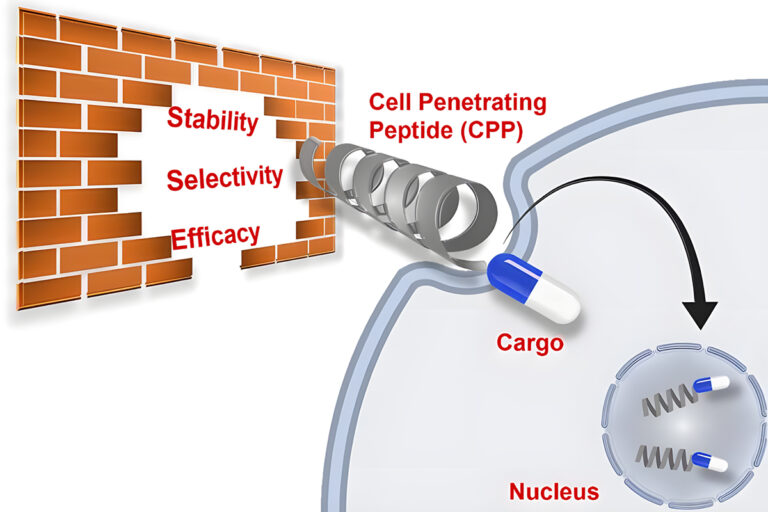
Cell-penetrating peptides (CPPs) have the ability to penetrate biological membranes and drive cells to internalize a bioactive payload.

There is a growing need for highly efficient synthetic peptide library systems, due to recent developments in the discovery of novel drug targets.
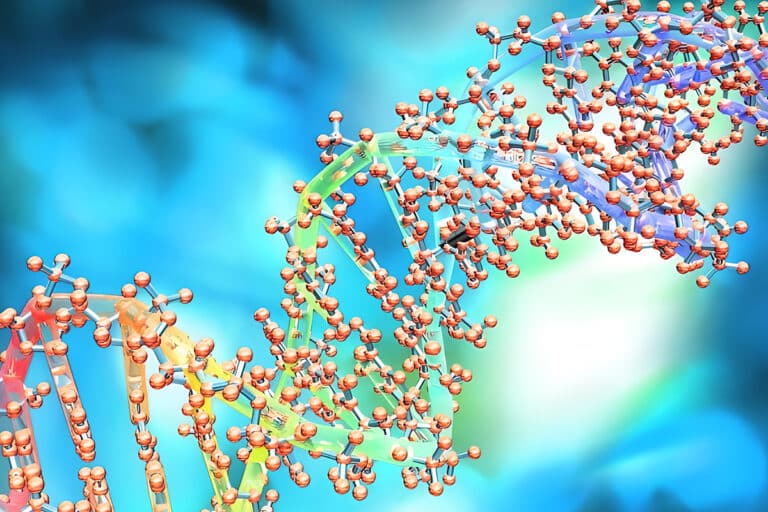
Multiple antigen peptides (MAPs) are a kind of polymeric peptide macromolecules bearing radial branches.

Antigenic peptides are synthesized via short amino acid sequences derived from carefully selected native target proteins.
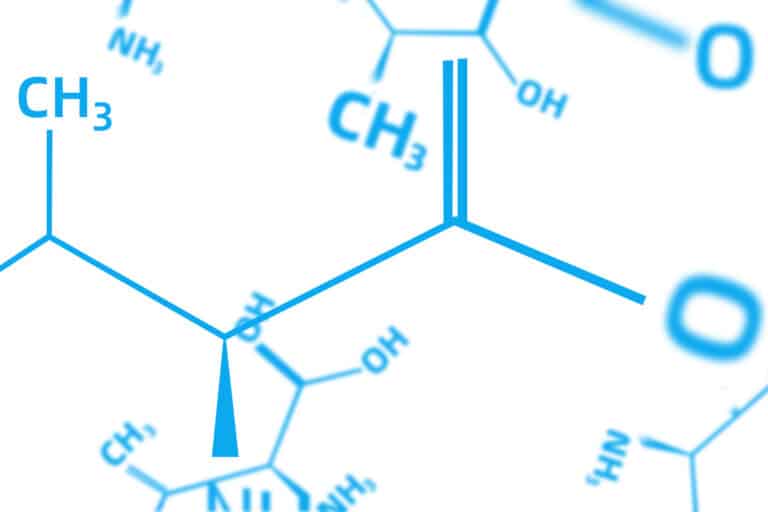
Unnatural amino acids (UAAs) not exist in natural polypeptide chains, so they are considered non-proteinogenic amino acids.

RGD peptide is a synthetic peptide with the sequence GRGDSPK, which binds to integrins (receptor family of extracellular matrix proteins).

Stapled peptides are the new technology to bypass the intrinsic problem of peptide-drugs, this new strategy will increase the cellular uptake.
QYAOBIO can synthesize polypeptoids with various modifications for selected synthetic targets.

Chemo enzymatic peptide synthesis (CEPS) is a cutting-edge technology with the unique versatile engineered enzymes.

Lipopeptides and lipoglycopeptides are antibiotic classes with activity against gram-positive bacteria on the bacteria cell wall.
There are three main peptide coupling reagents for amide formation: carbodiimides, phosphonium, and aminium−/uronium–iminium reagents.
The new carbon-carbon bond will form by reductive elimination. Most typical C-C cross couplings are used to synthesize peptide macrocycles.

Macro-cyclic peptides are a critical molecular format, these peptides combine advantages of small-molecule and biological therapeutics.

The advent platform of fluorescent peptides can enable advance research in cell system researches, fluorescence or FRET energy transfer.

Antimicrobial peptides are class of small peptides with widely natural exist, AMPs are the important part of the innate immune system.

Click chemistry can generate substances by joining small azide and alkyne units together, and generate structural diversity in peptides.

Glycosylation of peptides is a promising synthesis strategy, it can modulate the physico-chemical properties of peptide drugs.
We use cookies to improve your experience on our site. By using our site, you consent to cookies.
Manage your cookie preferences below:
Essential cookies enable basic functions and are necessary for the proper function of the website.
Google Tag Manager simplifies the management of marketing tags on your website without code changes.
Statistics cookies collect information anonymously. This information helps us understand how visitors use our website.
Google Analytics is a powerful tool that tracks and analyzes website traffic for informed marketing decisions.
Service URL: policies.google.com (opens in a new window)
WhatsApp us